
USPAP CERTIFIED
Probate Appraisal
Probate appraisal services for estates and personal property prepared to probate court standards. Probate Appraisal Group appraises personal property, automobiles, jewelry, furniture, equipment, and more for probate and estate purposes
What We Appraise
Appraisal Services for Probate & Estate Purposes
Probate Appraisal Group provides USPAP-compliant valuations across all asset categories commonly encountered in estate settlements, probate proceedings, and tax filings. Our appraisers hold credentials with leading organizations including the ASA, ISA, AAA and more.
Probate & Estate Appraisals
Complete valuations for probate inventory, estate tax filings (Form 706), and equitable distribution. Prepared to professional standards so your estate settlement proceeds with confidence.
Personal Property Appraisals
Detailed valuations of fine art, jewelry, antiques, collectibles, and other personal property. Suitable for estate planning, charitable donation (Form 8283), and insurance purposes.
Household Contents Appraisals
Comprehensive assessments of furniture, decorative arts, household goods, and estate contents. Ideal for probate inventory, insurance scheduling, and estate liquidation planning.
Probate Insights
Guides to Probate Appraisal Rules and Requirements
The probate appraisal process, court requirements, and California DE-160 and DE-161 inventory forms.

Who Can Serve as a Qualified Appraiser for an Estate Under IRS Rules?
The IRS holds appraisers to specific education, experience, and independence tests, and knowing who is disqualified matters as much as who qualifies. This guide breaks down the credentials, conflict-of-interest rules, and fee red flags that determine whether your estate's appraiser will hold up under IRS scrutiny.
Read more →
What Is a Qualified Appraisal for IRS Estate Purposes, and What Must It Include?
A qualified appraisal for IRS estate purposes borrows its only codified federal definition from the charitable-contribution regulations, and executors use that same standard to defend the value of art, business interests, and estate contents on Form 706. Here is exactly what the report must contain and who is allowed to sign it.
Read more →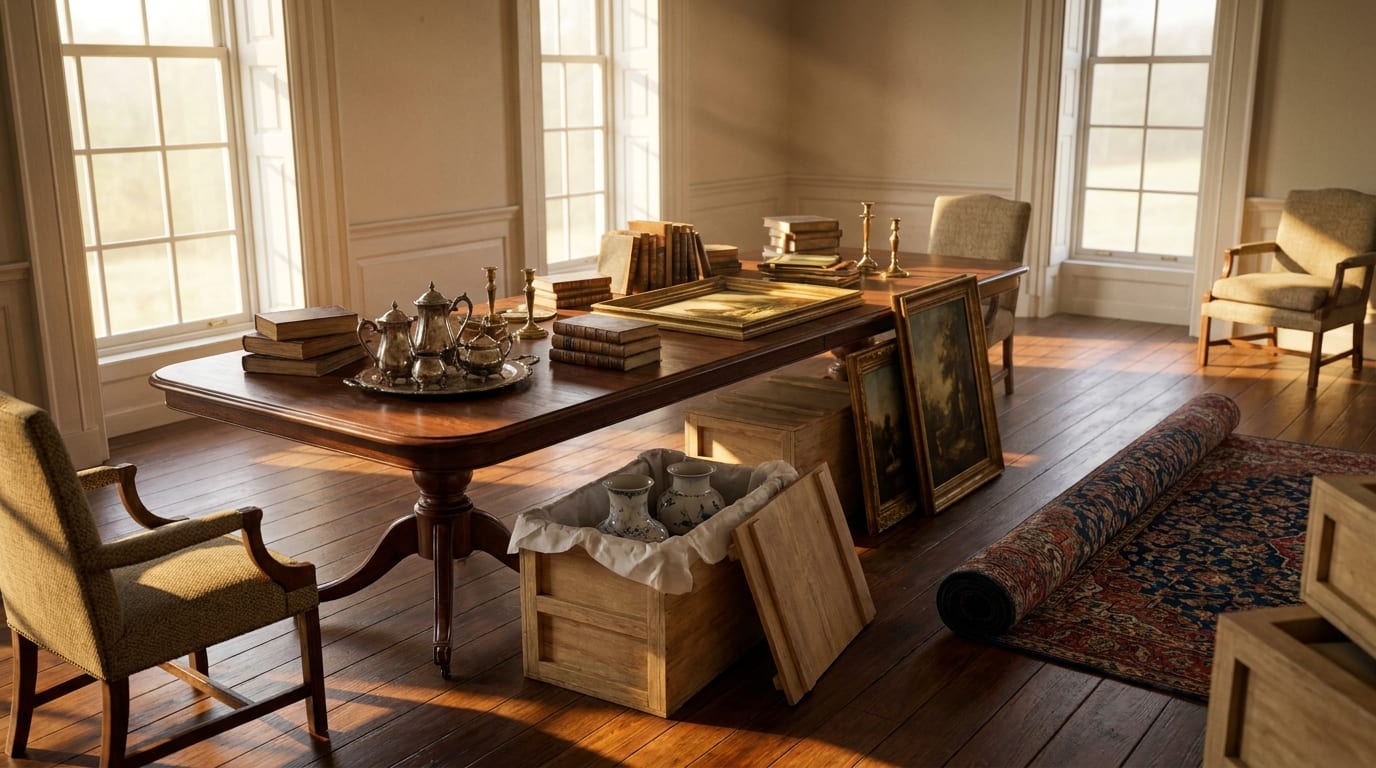
IRS Form 8283 and Estate Donation Appraisals: What Heirs Need to Know
Donating inherited furniture, art, or a vehicle instead of selling it can create a real income tax deduction, but IRS Form 8283 and its appraisal rules decide whether that deduction holds up. This guide covers the $5,000 appraisal threshold, the household-item exception, and how the rules differ for an estate versus an heir who donates.
Read more →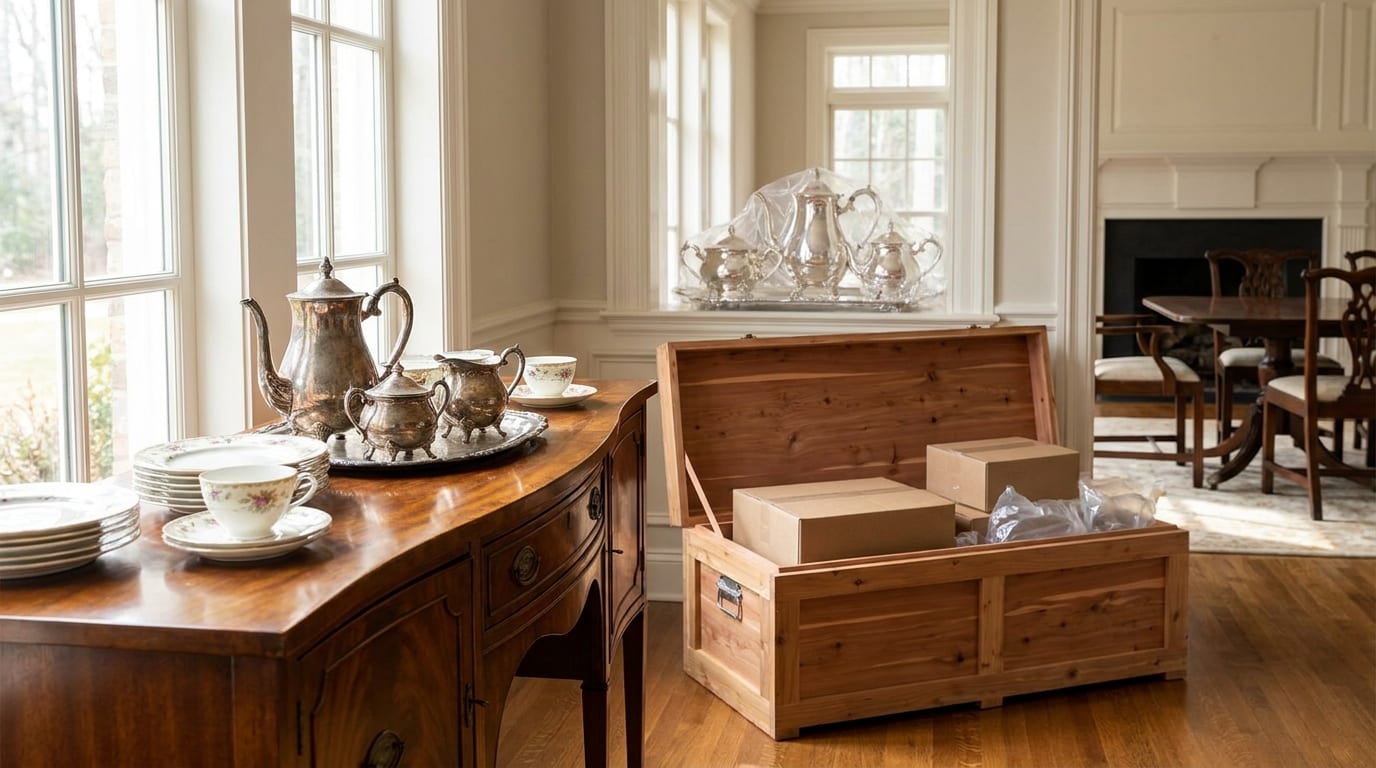
Replacement Value vs. Fair Market Value for Estates: Why the Numbers Never Match
Insurance replacement value and probate fair market value measure two different things, and using the wrong one on an estate inventory or IRS Form 706 can create real compliance problems. This guide explains the gap, works through a real example, and shows executors which number the probate court and IRS actually require.
Read more →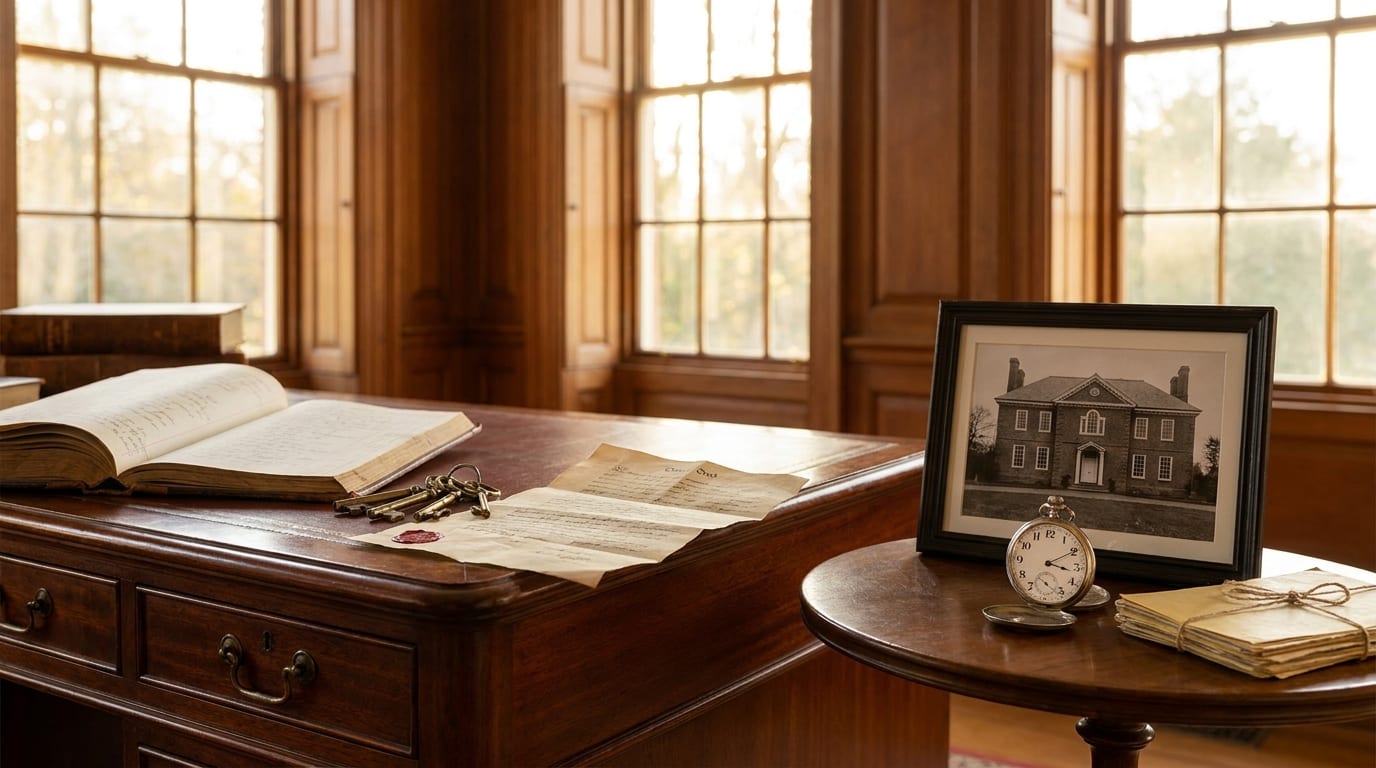
Date of Death Valuation vs. Current Market Value: What Probate Requires
Probate and federal estate tax filings require fair market value as of the decedent's date of death, not today's market price or the eventual sale amount. This guide explains the legal standard, the IRC Section 2032 alternate valuation election, and how appraisers reconstruct a value months after the fact.
Read more →
Guide to Probate Appraisals in California & DE-160/DE-161
Probate appraisals in California require a defensible, date-of-death valuation of household contents and personal property, split between the personal representative and a court-appointed probate referee. This guide walks through the DE-160/DE-161 process, the filing deadlines, and what a room-by-room appraisal needs to hold up in court.
Read more →
Start Your Probate Appraisal Today
Our USPAP-compliant appraisers deliver defensible valuations for estate settlement, tax filing, and asset distribution. Get a quote in minutes.
FAQ
Frequently Asked Questions
What is a probate appraisal and why do I need one?
A probate appraisal is a professional valuation of personal property and household contents for estate settlement and tax purposes. Courts, executors, and tax authorities often require an independent appraisal to establish fair market value for estate inventory, tax filings (Form 706), and equitable distribution among heirs.
How long does a probate appraisal typically take?
The timeline depends on the scope and complexity of the estate. We work efficiently to deliver your USPAP-compliant report within a timeframe that fits your probate schedule. Contact us with details about your estate, and we'll provide a realistic estimate.
What types of property can you appraise?
We appraise a broad range of personal property and household contents, including fine art, jewelry, antiques, furniture, collectibles, electronics, and general household goods. Our appraisers hold credentials with leading organizations such as the ASA, ISA, AAA, GIA, and NAJA, ensuring expertise across asset categories commonly found in estates.
Are your appraisals USPAP-compliant?
Yes. Every report we prepare is completed in accordance with USPAP (Uniform Standards of Professional Appraisal Practice), the recognized standard for professional appraisals. This ensures your valuation is defensible with the IRS, probate courts, and other authorities.
Can you conduct the appraisal online or remotely?
Many appraisals can be completed online through photo submission and documentation review, which is convenient and efficient for estates with portable personal property. For larger or more complex estates, an on-site appraisal may be recommended. We'll discuss the best approach for your situation.
How much does a probate appraisal cost?
Pricing depends on the size, complexity, and type of property in the estate. We offer transparent, itemized pricing based on your specific needs. Contact us for a quote, and we'll walk you through the cost structure.